Learn everything there is to know about the lumber cuts Somers Lumber provides
Learn about the lumber cuts that Somers Lumber provides
At Somers Lumber, we believe mastering the various lumber cuts is essential for any woodworking enthusiast or professional builder tackling projects with precision and efficiency. Whether you’re crafting custom furniture or constructing sturdy frames, understanding these techniques transforms raw timber into perfectly suited pieces.
Why Lumber Cuts Matter
Different lumber cuts determine not just the size and shape of your wood but also its stability, appearance, and strength for specific applications. Here at Somers Lumber in North Carolina, our precision services like ripping and resawing ensure clients receive boards tailored exactly to their needs, minimizing waste and maximizing quality.
Choosing the right cut method aligns with your project’s demands, from aesthetic grain patterns to structural integrity. Our decades of experience in lumber manufacturing help us guide customers toward the best options every time.
Ripping: The Backbone of Width Reduction
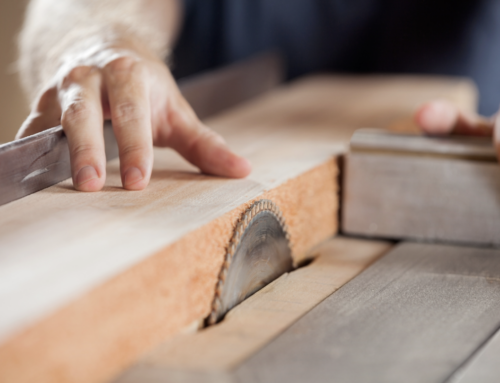
Ripping stands out as one of the most fundamental lumber cuts, involving a straight cut parallel to the wood grain to narrow a board’s width. This technique excels at breaking down oversized planks into manageable strips ideal for framing or paneling.
At Somers Lumber, our ripping services use state-of-the-art equipment for exact dimensions, perfect for your construction or woodworking needs. Unlike other methods, ripping follows the natural fiber direction, allowing faster cuts but often requiring post-cut smoothing due to the aggressive blade action.
Tools for Effective Ripping
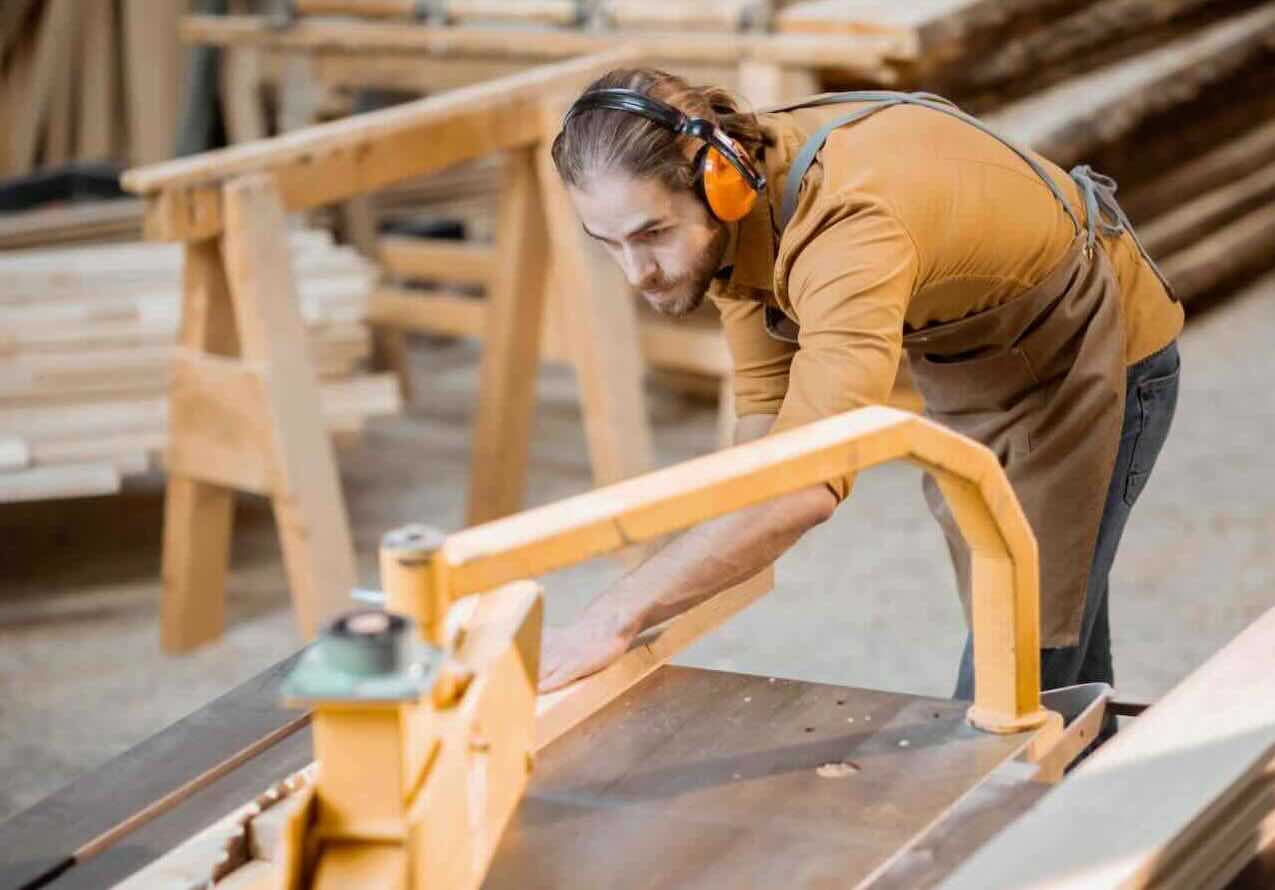
Table saws dominate ripping tasks with their rip blades featuring fewer teeth and deeper gullets for efficient chip removal. Circular saws paired with straight-edge guides offer portable alternatives, especially for on-site work without a full shop setup. Bandsaws handle ripping thick stock safely, while hand saws suit smaller pieces where precision trumps speed. We recommend starting with marked lines and firm clamping to avoid binding, ensuring clean results every time.
Resawing: Unlocking Thin Boards from Thick Stock
Resawing takes lumber cuts to another level by slicing through a board’s thickness to produce multiple thinner pieces from one thick plank. This method conserves material, ideal for veneers, drawer sides, or bookmatched panels.
Our resawing at Somers Lumber delivers consistent dimensions and smooth finishes using advanced saws, perfect for high-end projects. Unlike standard ripping, resawing demands minimal blade set to avoid wandering, typically on bandsaws with specialized blades.
Plain-Sawn Lumber: The Everyday Choice
Plain-sawn, or flat-sawn, represents the most common among lumber cuts, where boards slice tangent to the log’s growth rings for maximum yield. This efficient method produces wide boards with iconic cathedral grain patterns at a budget-friendly price.
It’s abundant and versatile for framing, flooring, and cabinetry, though more prone to warping than premium options. At Somers Lumber, we stock plenty of plain-sawn lumber processed through our cutting services.
Grain Patterns and Stability
The shallow angle to rings creates flame-like arches, adding beauty to visible surfaces. However, tangential orientation leads to cupping in response to humidity changes. Cost-effectiveness stems from minimal waste, making it ideal for large-scale builds. Pair it with proper sealing for longevity in humid North Carolina climates.
Applications in Modern Projects
Use plain-sawn oak for rustic tabletops where grain variation shines, or pine for economical shelving. Its availability suits DIYers and pros alike, forming the foundation of many home improvement endeavors.
Quarter-Sawn Lumber: Premium Stability and Figure
Quarter-sawn lumber cuts involve quartering the log then sawing perpendicular to the rings, yielding straight grain and ray fleck. This technique boosts dimensional stability, resisting twists better than plain-sawn varieties.
Boards emerge narrower but with superior wear resistance, perfect for flooring and fine furniture. Somers Lumber appreciates its demand in custom orders, complementing our precision manufacturing.
Visual Appeal and Durability
Medullary rays create shimmering flecks in oaks, dubbed “tiger stripes” in mahogany. The radial cut minimizes shrinkage across the grain. Higher cost reflects processing time and waste, but longevity justifies investment for heirloom pieces.
Selecting Quarter-Sawn for Your Build
Opt for it in high-traffic areas like hardwood floors or tool chests needing warp resistance. Combine with ripping for custom widths post-sawing.
Rift-Sawn Lumber: Straight Grain Perfection
Rift-sawn modifies quarter-sawing by angling cuts 30-60 degrees to the rings, producing nearly straight grain without fleck. This lumber cut offers quarter-like stability in narrower boards, ideal for modern minimalist designs.
Waste is high, but the uniform appearance excels in paneling and trim. Our services at Somers Lumber can incorporate rift elements for specialized client specs.
Advantages Over Other Cuts
Interlocked grain enhances hardness, suiting demanding applications like architectural millwork. Less figure means cleaner finishes for painted surfaces. Availability lags plain-sawn, so plan ahead for projects prioritizing aesthetics and strength.
Other Essential Lumber Cuts
Beyond primary lumber cuts, crosscuts sever perpendicular to the grain for length adjustments, using fine-tooth blades on miter or table saws. Miter cuts angle across the grain for joints, while bevels tilt the blade for angled edges. Live-sawn blends patterns by straight-through logging, offering variety for slabs. These expand your toolkit for complex assemblies.
Crosscuts and Miter Mastery
Crosscuts demand high-tooth-count blades to shear fibers cleanly, preventing splintering. Miters at 45 degrees join frames seamlessly; test angles on scrap first. Bevels add dimension to moldings, adjustable on compound miter saws.
Tools and Safety for All Lumber Cuts
Table saws and bandsaws anchor most operations, with blades matched to cut type: rip for aggressive, crosscut for smooth. Circular saws provide mobility, tracksaws precision for sheet goods. Safety starts with push sticks, featherboards, and eye/ear protection—never shortcuts. Maintain sharp blades and dust collection for health. At Somers Lumber, we emphasize safe, professional results in every service.
Selecting the Right Lumber Cut for Your Project
Match cuts to needs: plain-sawn for economy, quarter/rift for durability, ripping/resawing for dimensioning. Consider species—oak shines in quarter-sawn, pine in plain. Budget, environment, and grain preference guide choices; consult experts like our team.
Woodworking Project Examples
Rip pine for shelving frames, resaw walnut for veneers, quarter-sawn maple for tabletops enduring daily use. Mix cuts for contrast in live-edge tables.
Benefits of Professional Lumber Services
Partnering with Somers Lumber means access to expert ripping, resawing, and more, plus storage and distribution. We handle precision so you focus on creation. Custom cuts reduce onsite waste, ensuring project efficiency.
Maintaining Your Cut Lumber
Acclimate boards, seal ends, and store flat to prevent movement. Joint and plane post-cut for flawless joins.
FAQs about Different Types of Lumber Cuts
What is the main difference between ripping and resawing in lumber cuts?
Ripping narrows board width along the grain, while resawing thins out thick stock through its height, often on bandsaws for veneers.
Which lumber cut offers the most stability for furniture?
Quarter-sawn and rift-sawn lumber cuts provide superior stability due to perpendicular or angled ring orientation, resisting warp.
Can beginners perform resawing at home safely?
Yes, with a tuned bandsaw, sharp blade, and safety gear, but start with scrap; professionals like Somers Lumber handle complex jobs.
How do plain-sawn lumber cuts compare in cost to quarter-sawn?
Plain-sawn is most economical from high yield.