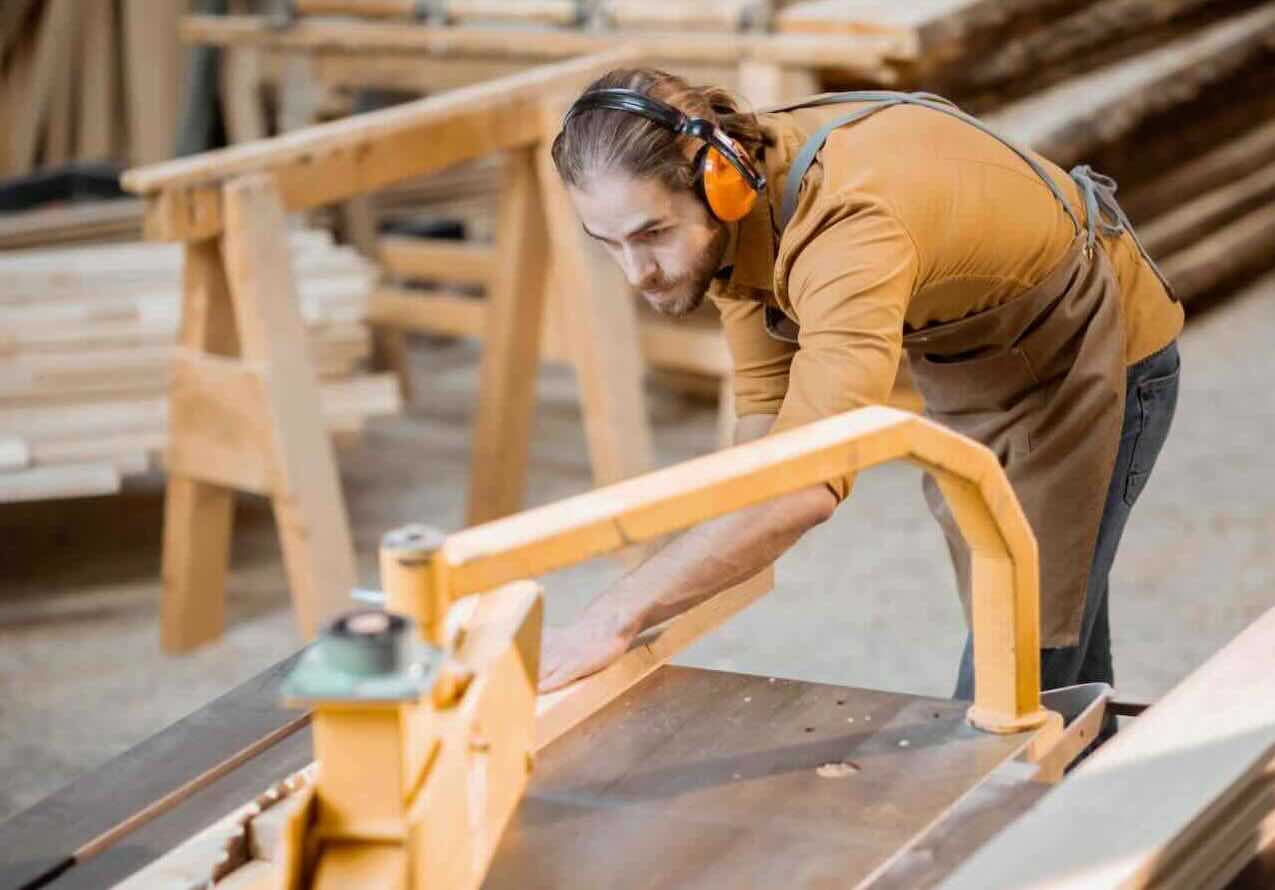
How Professional Resawing Improves Lumber Quality and Efficiency
At Somers Lumber, we’ve spent decades perfecting the art of lumber processing right here in Iredell County, North Carolina. Professional resawing represents a game-changer in how we transform rough timber into premium boards that meet the highest standards for quality and performance.
Understanding Professional Resawing Basics
What Exactly Is Professional Resawing?
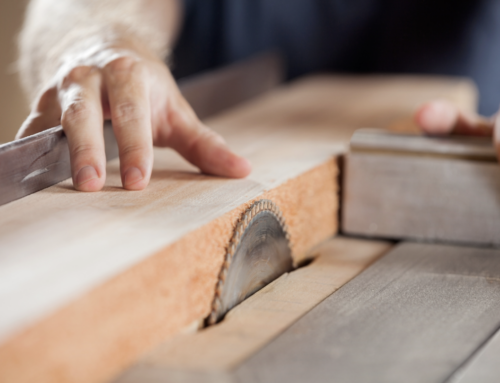
Resawing takes a thick piece of lumber—often called a cant or flitch—and slices it lengthwise through its thickness to produce two or more thinner boards. This differs from standard sawing methods like ripping, which cut across the width, or crosscutting, which shortens the length. At Somers Lumber, we use advanced bandsaw technology to execute these cuts with surgical precision, ensuring each resulting board maintains structural integrity while unlocking new possibilities for your projects.
The beauty of resawing lies in its ability to maximize the potential of every log. Imagine starting with a 3-inch thick slab of quartersawn white oak. Through resawing, we can create multiple 4/4 or 6/4 boards that are perfectly matched in grain and figure. This process isn’t just about dividing wood; it’s about enhancing its value from the first cut.
Why Resawing Matters in Modern Lumber Yards
In today’s fast-paced woodworking and construction world, efficiency isn’t optional—it’s essential. Resawing allows lumber yards like ours to respond quickly to custom demands, whether you’re building heirloom furniture or producing high-volume pallet stock. Professional resawing elevates raw materials into finished products ready for immediate use, saving you time, money, and hassle.
Don’t miss our guide to the main types of lumber cuts!
The Science Behind Superior Lumber Quality
Precision Thickness Control
One of the standout advantages of professional resawing is the unparalleled control over thickness. Rough-sawn lumber often varies by fractions of an inch, leading to inconsistencies that plague downstream processes like planing or joinery. Our resaws, equipped with laser-guided systems and thin-kerf blades, deliver tolerances as tight as 1/32 inch across entire batches.
This consistency translates directly to better project outcomes. For cabinetmakers, it means drawer fronts that align flawlessly without shimming. For flooring installers, it ensures planks that lie flat without gaps or humps. At Somers Lumber, we routinely process hardwoods like maple and cherry, where even minor thickness variations can ruin the aesthetic flow of bookmatched panels.
Smoother Surfaces, Less Waste
The narrow kerf of a resaw blade—typically 1/8 inch or less—leaves behind surfaces that are remarkably smooth right off the machine. Unlike circular saws that tear fibers or table saws that burn edges, bandsaw resaws glide through wood with minimal vibration, preserving the natural texture and figure. This reduces the need for aggressive sanding, which not only saves material but also prevents the dulling of fine grain details that define premium lumber.
Consider the difference in a resawn walnut board versus one that’s been planed down. The resawn version retains its chatoyant shimmer, with chatoyancy—the optical effect that makes wood appear to shift colors under light—fully intact. Our clients in high-end furniture manufacturing rave about this because it cuts finishing time by up to 50%.
Stress Relief and Dimensional Stability
Wood is a living material, full of internal stresses from growth, drying, and handling. Resawing releases these tensions by allowing each new board to relax independently. This results in lumber that’s far less prone to cupping, twisting, or checking over time. We’ve seen it firsthand: DIY resaws often bind or wander due to these stresses, but our controlled environment and expert setup prevent that, yielding stable stock ideal for humid climates or kiln drying.
In practical terms, this means your resawn lumber from Somers Lumber holds up better in glued-up panels or bent laminations. No more frustrating callbacks for warped tabletops or bowed shelves—our process builds reliability into every board.
Efficiency Gains That Transform Operations
Maximizing Yield from Every Log
Waste is the enemy of any woodworker, and professional resawing fights back aggressively. A single 8/4 cant can yield two 4/4 boards plus usable offcuts, compared to traditional methods that might lose 20-30% to kerf and planing losses. At Somers Lumber, we optimize feed rates and blade angles based on species density, squeezing every possible foot of usable lumber from your order.
For example, when processing exotic species like figured bubinga or birdseye maple, where material costs soar, this yield boost can save thousands per load. It’s not just about quantity; the thinner boards open up applications like veneers or aircraft-grade plywood cores that thicker stock simply can’t provide.
Speeding Up Production Cycles
Time is money in manufacturing, and resawing accelerates every stage. Setup takes minutes, not hours, thanks to programmable fences and automated tensioners. Cuts run at 200-400 feet per minute, far outpacing manual planing or even wide-belt sanders. Post-resaw, boards often need zero secondary surfacing, letting you move straight to edging, drying, or assembly.
Our integrated workflow at Somers Lumber means we can resaw, rip to width, and package for shipment in a single pass through the yard. Clients report turnaround times dropping from weeks to days, keeping their shops humming without inventory pileups.
Cost Reductions Across the Board
The math is compelling: professional resawing slashes material costs by 15-25% through higher yields, eliminates equipment investments (a quality resaw bandsaw runs $10,000+), and cuts labor for finishing. For pallet producers, it’s a boon—resawing cants into stringers and decking boards meets exact specs for automated nailing lines, reducing rejects and rework.
Small shops benefit too. Instead of tying up capital in oversized rough stock, order precisely what you need from us. No minimums for custom runs mean scalability without overhead.
Somers Lumber’s Professional Resawing Mastery
Cutting-Edge Equipment in Action
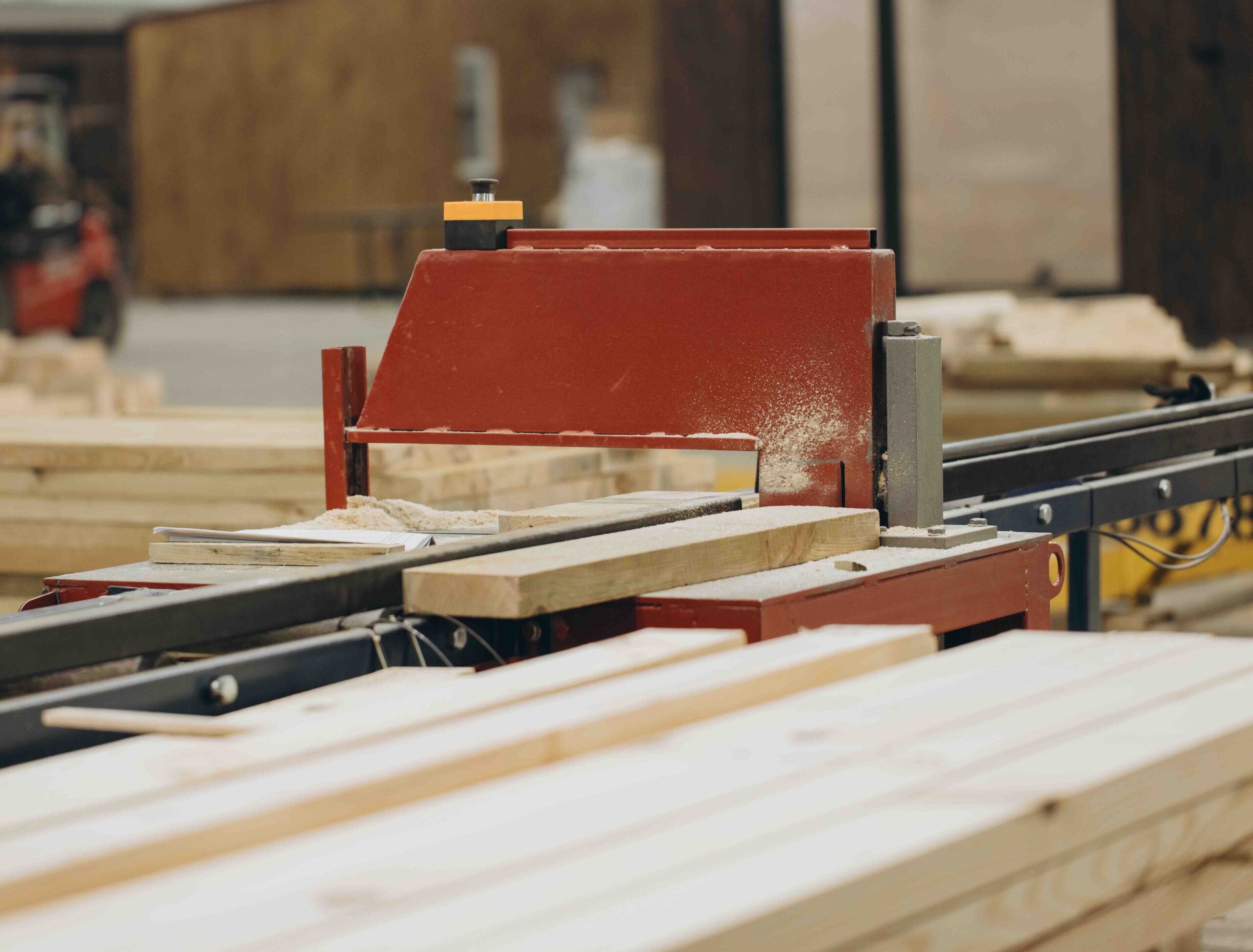
Our facility boasts multiple resaw lines, including twin-band setups for high-volume work and precision thin-kerf saws for veneers down to 1/16 inch. We use hook-angle blades optimized for each species—aggressive for softwoods like pine, finer for interlocked grains in mahogany. Dust collection systems keep blades cool and cuts clean, extending blade life by 300%.
Operators undergo rigorous training, mastering techniques like fence micro-adjustments and pressure foot settings to handle live-edge flitches without drift. This isn’t hobbyist gear; it’s industrial-grade reliability.
Expertise Tailored to Wood Species
Every wood behaves differently under the blade. Softwoods like Douglas fir resaw cleanly but compress if overfed; hardwoods like hickory demand slower speeds to avoid overheating. Our team brings 50+ years of combined experience, knowing when to joint faces first or acclimate stock overnight. We handle everything from construction-grade spruce to architectural-grade teak, delivering grades that exceed NHLA standards.
Special projects? We’ve resawn live-edge slabs for conference tables, quartered white oak for gunstocks, and even aircraft birch for vintage restorations. Your vision, our execution.
Full-Service Integration
Resawing doesn’t happen in isolation at Somers Lumber. Pair it with our ripping for width control, pack cutting for matched sets, or kiln drying for custom moisture content. We offer storage, reloading, and nationwide shipping via van, flatbed, or LTL. Tool sharpening keeps your end mills pristine too. One call handles it all.
Real-World Professional Resawing Applications and Case Studies
Furniture and Millwork Excellence
Furniture makers love resawn stock for its figure-popping potential. Bookmatch a resawn cherry panel, and the cathedral grain mirrors perfectly across the seam. We’ve supplied resawn quartersawn sycamore for curved chair backs and figured maple for inlay blanks. The thin, stable boards glue up without telegraphing, ensuring heirloom durability.
Construction and Industrial Uses
In construction, resawn lumber forms superior siding, trim, and beams. Pallet operations thrive on our consistent stringers that fit nailers perfectly. One client, a Southeast pallet giant, cut defect rates by 40% after switching to our resaw services.
Artisan and Specialty Projects
Boat builders resaw marine plywood cores; luthiers craft resonant spruce tops for guitars. We’ve even supported architectural installations, like resawn ipe decking that withstands coastal exposure without cupping. Versatility defines us.
Overcoming Common Resawing Challenges
Avoiding Blade Wander and Binding
Drift happens when tension falters or guides loosen—our rigid setups eliminate it. We pre-joint flitch faces and use roller guides for zero-play tracking.
Handling Dense or Figured Woods
Interlocked grain in koa or curly koa bites blades, but variable-speed drives and coolant misters let us power through cleanly.
Scaling for Volume Without Compromise
High-volume runs use dual resaws in tandem; small batches get dedicated artisan attention. Quality never dips.
Maintenance and Best Practices for Resawn Lumber
Proper Storage and Handling
Sticker-stack immediately after resawing to promote even drying. Cover ends with wax to prevent checking. Our climate-controlled yard ensures peak condition on delivery.
Finishing Techniques That Shine
Start with 80-grit on the resawn face, progressing to 220 for glass-like results. Oil finishes amplify figure; poly protects exteriors. Test on scraps first.
Longevity Tips
Acclimate to end-use environment before assembly. For outdoor use, resawn cedar or redwood excels with natural rot resistance.
The Future of Professional Resawing Innovation
CNC integration and AI-monitored blades promise sub-1/64 tolerances soon. Somers Lumber leads with upgrades, ensuring you stay ahead.
FAQs About the Benefits of Professional Resawing
What is professional resawing at Somers Lumber?
Professional resawing cuts thick lumber through its thickness using bandsaws to create thinner, precise boards with smooth finishes and maximal yield.
How does professional resawing enhance lumber quality?
It provides uniform thickness, stress-relieved stability, defect-free surfaces, and exposed grain figure for superior aesthetics and performance.
What efficiency benefits does resawing offer?
Higher material yields, faster processing, reduced waste, and custom sizing streamline production and cut costs significantly.
Which industries benefit most from Somers Lumber resawing?
Furniture makers, pallet producers, construction firms, and artisans use our services for matched panels, stringers, siding, and specialty stock.
Why choose Somers Lumber for professional resawing over in-house options?
Our industrial equipment, species expertise, integrated services, and cost savings deliver pro resawing results without your equipment investment.