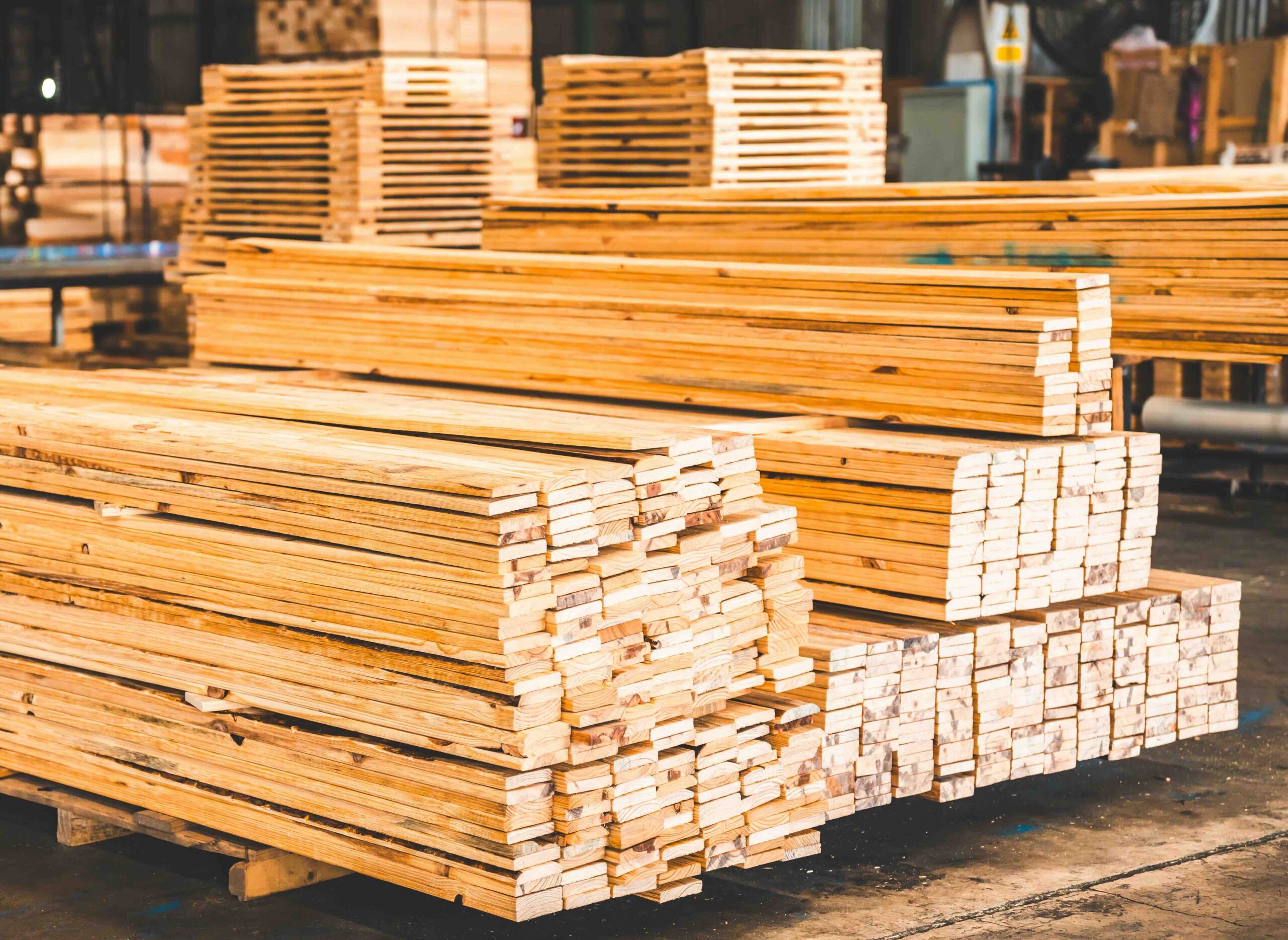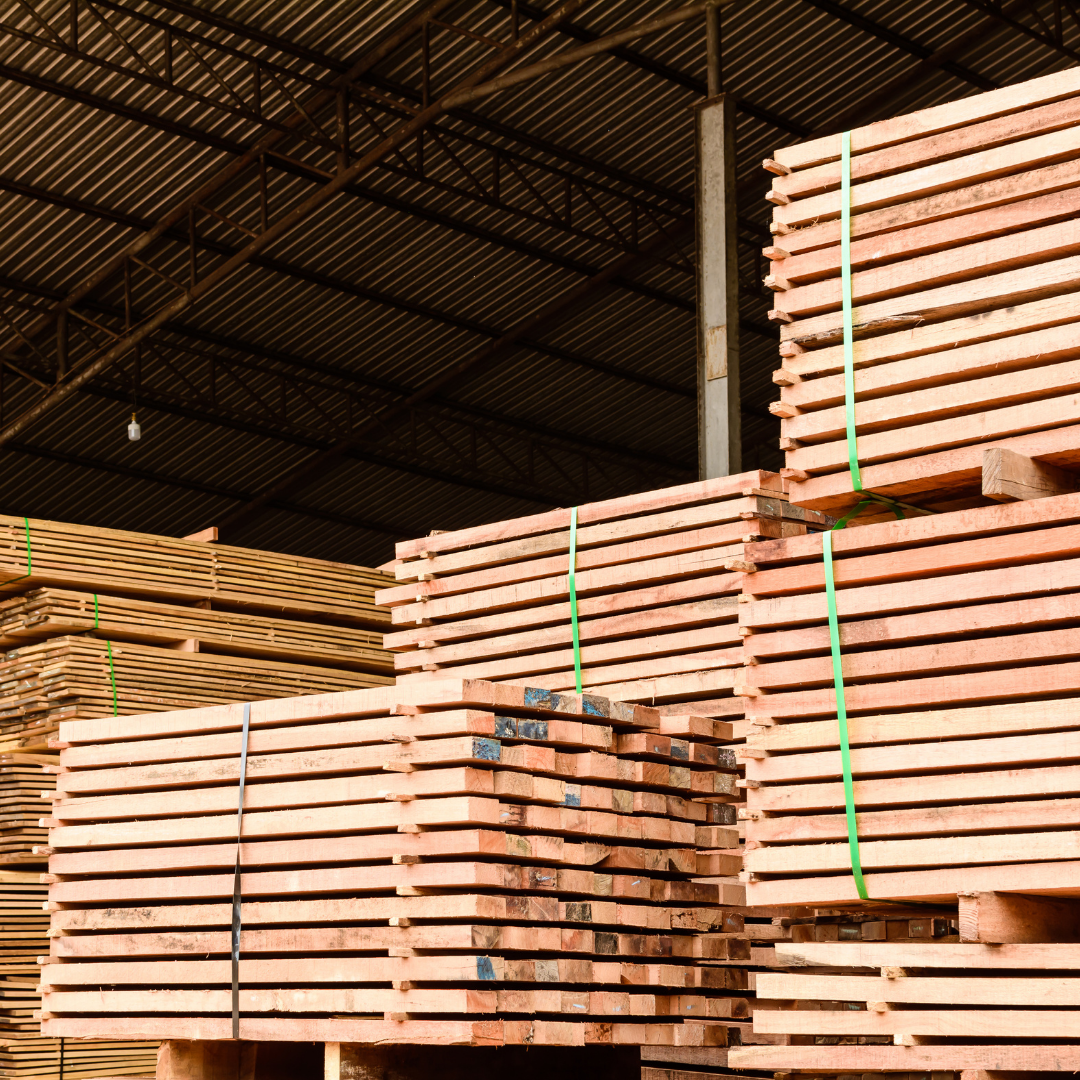
A load of lumber does not become useful simply because it leaves a mill. It has to arrive in the right condition, on the right equipment, at the right location, and at the right time. For contractors, manufacturers, warehouse teams, pallet producers, and industrial buyers, that movement requires more than a truck and a destination. It requires a plan.
The Role of Lumber Reloading and Distribution
Lumber reloading is the process of transferring lumber, wood products, or packaged building materials from one mode of transportation or trailer configuration to another. Distribution is the coordinated movement of those materials from a receiving point to the next location in the supply chain.
That may sound straightforward, but the process often supports several moving parts at once. A truck may arrive with a full load that needs to be separated into multiple deliveries. A shipment may need to transfer between a railcar and an outbound truck. A customer may need to shift material from an enclosed van to a flatbed so the next carrier can deliver it properly. In other cases, a business may need a place to receive and hold lumber until a job site, warehouse, or manufacturing facility is ready.
At Somers Lumber, we approach reloading and distribution as an operational service. The goal is to move materials with care, keep them organized, reduce unnecessary handling, and help customers align inbound freight with outbound delivery schedules.
For many businesses, a reliable transfer point can make the difference between a steady material flow and a preventable delay. When a load arrives too early, needs a different trailer, requires a change in routing, or must be staged before delivery, a planned reload can keep the shipment moving without forcing the customer to tie up its own people, equipment, and yard space.
Why Lumber Logistics Require Planning
Lumber and industrial wood products are durable materials, but they still require careful handling. Bundled lumber needs to remain secure. Pallet parts need to stay organized by size and type. Building materials need to reach the correct destination in usable condition. If the wrong load goes to the wrong job site, or if a shipment is delayed because the receiving location is not prepared, the consequences can reach far beyond transportation.
A missed delivery can slow down a manufacturing line. It can leave a construction crew waiting for materials. It can create congestion at a warehouse. It can force a carrier to wait while a customer decides where to place a load. Those delays add up quickly.
Lumber reloading and distribution give businesses another layer of control over this process. Rather than treating every inbound shipment as a direct-to-destination load, companies can use a reloading facility as a planned transfer point.
Matching Materials to the Next Leg of the Trip
The trailer that works best for the first part of a shipment may not work best for the final delivery. A supplier may ship materials in one configuration, while the customer’s job site or warehouse requires another. The available unloading equipment, weather conditions, roadway access, delivery schedule, and load size all influence the decision.
For example, a bundled load of lumber may arrive in an enclosed van but need to move by flatbed for final delivery. A flatbed can offer open-side access that may suit a particular unloading process or delivery environment. In other cases, a van may better protect packaged materials during transit.
A well-planned reload gives the shipment a chance to move onto the equipment that best fits the next part of the route.
Coordinating Schedules Without Stopping Production
Manufacturers and contractors often work within tight delivery windows. A load may need to arrive before a production shift begins. A job site may have limited receiving hours. A warehouse may have dock appointments that cannot be missed. A carrier may need to keep equipment moving rather than waiting for a receiving location to become available.
When scheduling does not line up perfectly, reloading and short-term storage can help bridge the gap. Material can arrive, be received and staged, then move out when the next carrier or receiving location is ready.
This approach is especially useful when inbound and outbound schedules operate on different timelines. Instead of asking a carrier to wait for hours or forcing a site to receive material before it has the space or labor to handle it, businesses can coordinate the transfer around a more realistic schedule.
Reducing Unnecessary Material Handling
Every additional touchpoint creates an opportunity for confusion, misplaced inventory, or damaged packaging. That does not mean materials should never be transferred. It means transfers should be planned, documented, and handled by a team that understands the material.
At Somers Lumber, our reloading process is designed to minimize unnecessary handling. We use appropriate equipment, including forklifts, pallet jacks, and loading docks, to move products safely and efficiently. The goal is not simply to get material from one trailer to another. The goal is to keep each load organized and ready for its next destination.
Common Uses for Lumber Reloading Services
Businesses use lumber reloading services for many reasons. Some need to change transportation methods. Some need to consolidate freight. Some need to stage material closer to customers. Others need a practical way to manage an inbound shipment while preparing for several outbound deliveries.
The following situations are among the most common.
Transferring Between Rail, Truck, and Storage
Rail can be an efficient option for moving large volumes of lumber and industrial materials over long distances. But rail service rarely brings materials directly to every final destination. At some point, the shipment may need to move from rail to truck for delivery to a warehouse, manufacturer, distributor, or job site.
That transfer must be organized around arrival timing, load condition, equipment availability, and delivery plans. A reloading facility can receive the freight, manage the transfer, and help position the material for the next stage of transportation.
The same applies when materials need to move from truck to storage or from storage to an outbound vehicle. These transitions are common in industrial supply chains, particularly when a customer needs flexibility around production schedules or delivery appointments.
Switching Between Van and Flatbed Equipment
Van and flatbed trailers serve different needs. An enclosed van provides protection from weather and road exposure. A flatbed provides open access that can be useful for certain types of lumber, building materials, and bundled products.
The right choice depends on the product, packaging, loading method, destination, and unloading conditions. It also depends on what the next carrier can provide and what the receiving site can accept.
A reload can make that change possible without disrupting the shipment’s overall plan. For example, a customer may receive an inbound load in one trailer type and need an outbound load configured differently for a warehouse delivery, outdoor job site, or specialized unloading process.
At Somers Lumber, we provide van and flatbed solutions so customers can select the transportation setup that fits their material and destination requirements.
Breaking Down Large Inbound Loads
A full inbound truckload may not always belong at one location. A distributor might need portions of a shipment delivered to multiple customers. A manufacturer may need different components routed to separate facilities. A contractor may need materials released in phases as work progresses.
Reloading allows a large shipment to be broken down into smaller outbound loads. This can help businesses match deliveries to actual demand rather than receiving more material at one location than it can safely store or immediately use.
Breaking down a load requires careful attention to bundle counts, material dimensions, product identification, and destination details. It is not simply a matter of unloading and reloading. Each outbound shipment needs to leave with the correct materials and the correct paperwork.
Consolidating Products for Delivery
The reverse is also true. Sometimes several incoming shipments need to be combined into a single outbound load. A customer may need lumber, pallet parts, wood packaging materials, or other related products delivered together. Consolidation can simplify receiving, reduce the number of deliveries, and help align materials with a production schedule.
A planned consolidation requires good communication. The reloading team must know which products belong together, where they are going, when they need to leave, and how they should be loaded.
Creating a Staging Point Near the Customer
A strategically located reloading and distribution facility can serve as a staging point for businesses that do not want every shipment traveling directly from the originating mill to the final customer. This is useful when a company serves several locations, works across a regional delivery area, or needs more flexibility in how it schedules outbound shipments.
Somers Lumber operates from Harmony, North Carolina, helping customers move lumber and wood products throughout the broader regional market and along key Southeast transportation corridors. Our facility can support customers who need a practical point for receiving, holding, transferring, and dispatching materials.
Choosing Between Van and Flatbed Transportation
The decision between a van and a flatbed should begin with the load itself. There is no single trailer type that works best for every shipment. A practical transportation plan considers the material, packaging, route, loading process, final delivery conditions, and need for protection from weather.
When an Enclosed Van May Make Sense
An enclosed van can be a useful choice when the shipment needs additional protection from rain, direct sun, road debris, and other outside conditions. It can work well for certain packaged materials, lumber products, and industrial components that benefit from a more enclosed transportation environment.
Van trailers may also suit deliveries where dock access is available or where the receiving location has a process built around rear unloading. The interior space and enclosed design can support a controlled transport environment, provided the material dimensions and loading requirements fit the trailer.
Before scheduling a van load, consider the length and height of the material, the bundle configuration, the unloading method, and the receiving site’s access requirements.
When a Flatbed May Be the Better Fit
Flatbeds are often used when a shipment requires open-side access, overhead loading, or more flexibility in how materials are handled during loading and unloading. Lumber, bundled wood products, and certain building materials can be well suited to flatbed transportation when they are properly secured and protected as needed.
A flatbed can also be a practical choice for delivery locations with limited dock access. Some job sites and industrial yards rely on forklifts, loaders, or other equipment that can approach a trailer from the side. In those cases, the accessibility of a flatbed may support a smoother delivery.
However, open transportation also requires careful planning. The load must be properly secured, and weather protection may be necessary depending on the material and conditions.
Questions to Ask Before Selecting Equipment
Before deciding between a van and flatbed, review the full shipping picture.
Consider the material type, overall dimensions, bundle count, product packaging, weight, destination, and unloading equipment. Think about whether the material needs protection from weather. Confirm whether the delivery site has a dock, forklift access, overhead clearance limits, appointment requirements, or space limitations.
It is also important to consider timing. A trailer type may be suitable in theory but unavailable when the load needs to move. Early coordination gives businesses more options and helps prevent last-minute changes.
How the Reloading Process Works
Every load has its own details, but the general reloading process follows a clear sequence. A successful transfer begins well before the truck arrives.
Confirm the Shipment Details
The first step is understanding what is coming in and what needs to go out. This includes the type of lumber or material, quantity, bundle count, dimensions, packaging, inbound carrier, outbound carrier, destination, and requested schedule.
Clear information helps prevent confusion at the facility. When everyone knows what is arriving, where it needs to go, and how it should leave, the reloading process can move more efficiently.
At Somers Lumber, we work with customers and carriers to coordinate shipping windows so inbound loads, storage needs, and outbound shipments stay aligned with the customer’s operating timeline.
Receive and Inspect the Material
When material arrives, it should be checked against the available shipping details. The receiving process may include reviewing bundle counts, packaging condition, labeling, and obvious signs of damage or shifting during transport.
This is an important step because it creates a clear handoff point. If a shipment requires special handling or contains multiple product types, identifying those details at arrival helps keep the material organized through the next stage.
Unload and Stage the Freight
Once the load is received, the material may move directly to an outbound trailer or be staged temporarily. The correct approach depends on scheduling, trailer availability, storage requirements, and the complexity of the transfer.
Staging can be especially helpful when an inbound shipment arrives before the outbound carrier is ready. It can also support load consolidation, load breakdown, or product sorting for multiple destinations.
Our facility offers covered and outdoor storage options for materials that need to be held between inbound and outbound shipments. This gives customers more flexibility when transportation schedules do not align perfectly.
Load the Outbound Shipment
The outbound loading process should account for the trailer type, material dimensions, delivery route, and unloading plan. The order of materials on the trailer can matter. A job site may need certain products accessible first. A mixed shipment may need to remain separated by destination or product line. A bundled load may need a specific configuration to support secure transport and efficient unloading.
Our team uses modern handling equipment to move lumber, building materials, and custom-manufactured goods through the loading process with care and precision.
Coordinate Departure and Delivery
Once the shipment is loaded, the final step is confirming that the outbound carrier has the information needed for delivery. This includes the destination, scheduled appointment, special site instructions, contact details, and any relevant unloading requirements.
A reload is only successful when the material leaves the facility ready for the next destination. Strong coordination helps keep the final delivery from becoming the next source of delay.
How Storage Supports Distribution
Storage and distribution often work together. A company may not need long-term warehousing, but it may need a safe place to hold material for a day, a week, or until the next available carrier arrives. That short-term flexibility can help keep operations moving.
At Somers Lumber, we can receive materials, hold them in covered or outdoor storage, and reload them onto van or flatbed equipment when customers are ready to ship. This allows our facility to serve as a staging point when inbound and outbound schedules do not match.
Handling Early Arrivals
Carriers often arrive ahead of a job site’s receiving schedule. A warehouse may be full. A production facility may not have the labor available to unload. A customer may be waiting on another shipment before it can accept the material.
Instead of forcing an early delivery or leaving a truck waiting, businesses can arrange for the material to be received and held until the next step is ready.
Managing Phased Deliveries
Some projects do not need all materials at once. A contractor may need lumber delivered in stages as work progresses. A manufacturer may need one group of components immediately and another group later in the week. A distributor may want to release product based on customer orders.
Storage gives the business more control over those releases. It allows the material to arrive when transportation is available while still giving the customer flexibility around when it moves out.
Supporting Seasonal and Project-Based Demand
Lumber demand can change with construction schedules, project timing, seasonal work, and production cycles. Storage and reloading can help businesses manage those shifts without overloading their own facility.
When a company knows it will need material soon but cannot receive it immediately, a staged plan can reduce pressure on its yard, warehouse, and staff.
Preparing for a Smooth Lumber Reload
Good preparation makes a major difference. The more complete the shipment information is before arrival, the easier it is to schedule labor, equipment, storage space, and outbound transportation.
Provide Accurate Load Information
Start with the basics: material type, dimensions, quantity, bundle count, weight, and packaging. If the shipment includes multiple products, identify each item clearly. If there are specific handling instructions, share them before the load arrives.
For lumber and wood products, it is useful to note whether the material is bundled, wrapped, banded, palletized, or otherwise packaged. This helps the team plan how the load will be received, staged, and reloaded.
Share Inbound and Outbound Timing
Reloading works best when the facility knows both sides of the schedule. Provide expected arrival times for the inbound load and target departure times for the outbound load. If storage is needed, identify the expected duration.
At Somers Lumber, we coordinate with carriers and customers to help keep arrivals, transfers, storage, and departures aligned. Advance scheduling reduces confusion and gives everyone a better chance to keep the freight moving without unnecessary delays.
Review the Final Delivery Conditions
The final destination affects the entire transportation plan. Ask whether the receiving location has a loading dock, forklift, crane, yard equipment, or appointment requirements. Confirm whether the site can accept a van, flatbed, or both. Review access concerns such as narrow entrances, limited turning space, overhead obstacles, or restricted delivery hours.
These details help determine the best trailer type and load configuration before the material leaves the reloading facility.
Communicate Changes Quickly
Schedules change. Carriers run late. Job sites close because of weather. A customer may need to shift delivery to another location. When that happens, early communication matters.
The sooner a change is shared, the more options are available. A load may need to remain in storage longer, move on a different trailer, or be rescheduled for a later departure. Clear communication gives the team time to make a practical adjustment rather than reacting after the truck is already at the gate.
Supporting Manufacturers, Mills, and Contractors
Different businesses use lumber distribution services in different ways, but they often share the same objective: receive the right material without disrupting the work that depends on it.
For Lumber Mills
Mills may need a reliable point for transferring outbound lumber to regional carriers, consolidating loads, or staging product before final delivery. A reloading facility can help extend a mill’s reach without requiring every truck to run directly from the mill to the customer.
It can also support changing freight needs. One customer may require a full truckload. Another may need smaller scheduled deliveries. A planned distribution process gives mills more flexibility in how they serve those accounts.
For Manufacturers
Manufacturers depend on predictable material flow. If lumber, pallet components, packaging materials, or other industrial wood products arrive late, production can slow down. If materials arrive too early, they can consume valuable space and labor.
Reloading and short-term storage can help manufacturers better align incoming freight with their production schedule. Instead of treating every shipment as an immediate delivery, they can coordinate transfers around actual facility capacity and production requirements.
For Contractors and Job-Site Teams
Job sites often have limited space and limited time to receive materials. A large load may not fit safely on site. The crew may not be ready to unload. The delivery may need to arrive during a narrow window.
Lumber reloading and distribution can support phased deliveries, trailer changes, and staged releases that better match the pace of the project. It helps contractors avoid receiving more material than they can safely manage at one time.
For Industrial Buyers and Distributors
Industrial buyers and distributors may manage many products, suppliers, customers, and delivery schedules at once. They may need to break down a large shipment, combine materials from multiple sources, hold freight before release, or coordinate transportation for several locations.
A dependable reloading point helps create order in that process. It gives buyers a place to receive, sort, stage, and dispatch materials without treating every change in the transportation plan as an emergency.
A Practical Approach to Distribution
The most effective distribution plans are not always the most complicated. They are the plans that account for the details before the shipment arrives.
At Somers Lumber, we focus on the essentials: what is moving, where it is going, how it needs to be handled, what equipment fits the load, and when each step needs to happen. That practical approach helps us support customers moving lumber, industrial wood components, building materials, and related packaged products through the region.
Efficient logistics starts with clear communication. It continues with careful handling, appropriate equipment, organized staging, and well-coordinated carrier schedules. When those elements work together, businesses can reduce waiting time, protect their materials, and keep their operations moving.
Lumber reloading and distribution may take place behind the scenes, but the impact is visible in every on-time delivery, organized job site, stocked production line, and well-managed warehouse.
Lumber Reloading and Distribution FAQs: Let’s Keep Things Moving
What materials can Somers Lumber handle through reloading and distribution services?
At Somers Lumber, we regularly reload and distribute lumber, building materials, industrial wood components, bundled products, palletized loads, mixed shipments, and related packaged materials. We review the product type, dimensions, packaging, quantity, and transportation requirements before scheduling the transfer.
When does it make sense to use lumber reloading and distribution instead of direct shipping?
Reloading and distribution make sense when a shipment needs to change between rail, truck, storage, van, or flatbed transportation. It can also help when a large inbound load must be separated into multiple deliveries, when products need to be consolidated, when the final destination is not ready to receive the material, or when a business needs a staging point between the mill and customer.
Can Somers Lumber transfer materials between van and flatbed trailers?
Yes. At Somers Lumber, we provide van and flatbed solutions for lumber, building materials, industrial wood components, and packaged products. We help customers select the trailer configuration that fits their material, route, delivery site, loading needs, and weather-protection requirements.
Can Somers Lumber store materials before an outbound shipment?
Yes. We can receive materials, hold them in covered or outdoor storage, and reload them when the outbound carrier or delivery location is ready. This allows customers to coordinate freight movement around their production schedules, job-site timelines, and delivery appointments.
What information does Somers Lumber need before scheduling a reload?
We need the material type, dimensions, quantity, bundle count, packaging details, inbound carrier information, outbound carrier information, expected arrival time, desired departure time, destination, and any special delivery or handling requirements. Complete information helps us plan the equipment, storage, labor, and scheduling needed for the load.
How quickly can Somers Lumber complete a reloading job?
Turnaround time depends on the load size, material type, trailer configuration, storage needs, carrier schedules, and overall complexity of the transfer. Our operation is designed for scheduled reloads that help trucks spend less time waiting and more time moving freight. We coordinate inbound and outbound shipping windows to keep the process aligned with customer timelines.