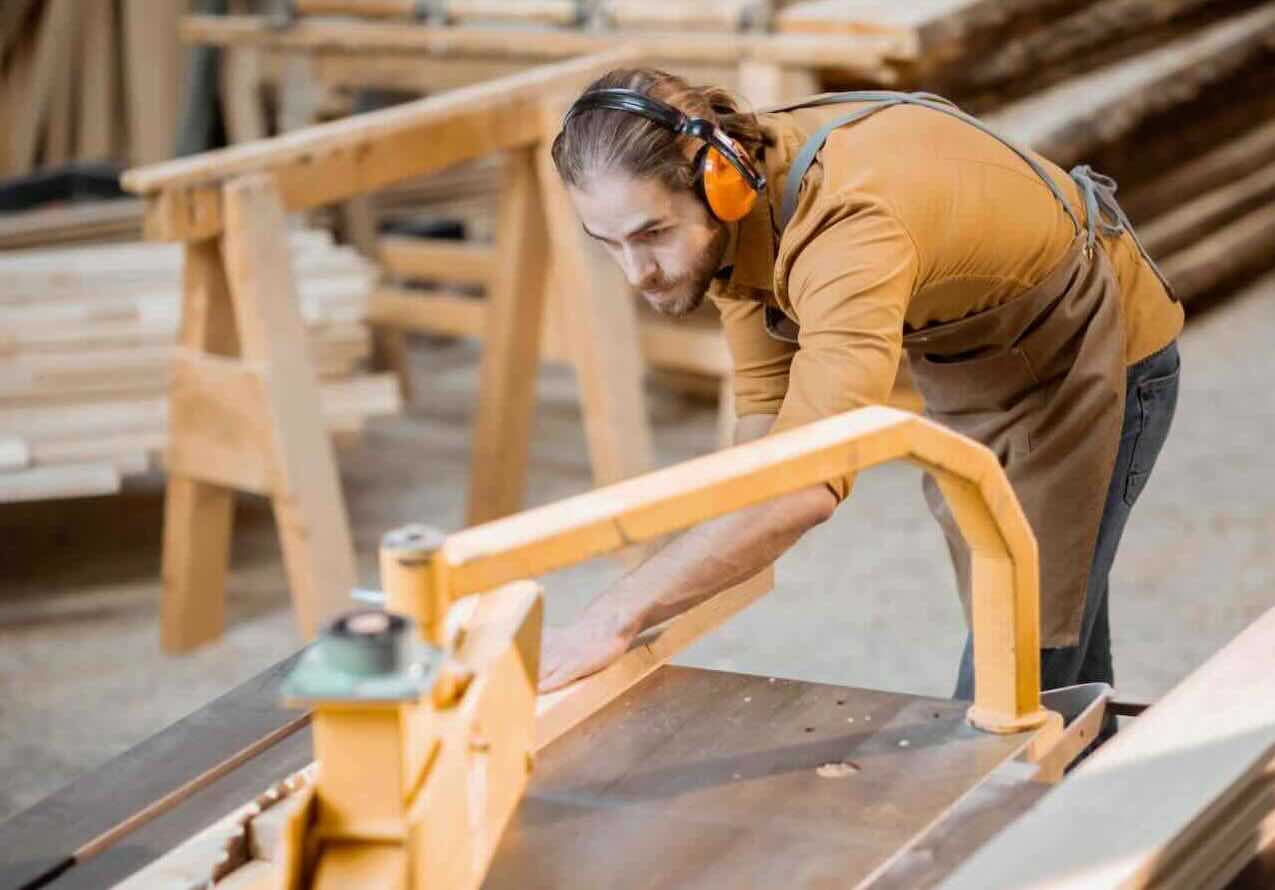
Lumber remanufacturing is one of the most powerful ways we help our customers protect margins, keep projects moving, and get more value from every board in their yard. At Somers Lumber & Manufacturing, we pair that capability with precise end tagging so your inventory is not only reworked to the right specs, but also clearly identified, traceable, and easy to move through your system.
How Lumber Remanufacturing Keeps Your Inventory Aligned
Project requirements don’t sit still. Architects change details, builders pivot midstream, and product lines evolve as your customers ask for new dimensions, grades, and finishes. When that happens, old stock can turn into dead weight on your balance sheet unless you have a partner who can rework it quickly and intelligently.
That’s where our lumber remanufacturing services come in. Instead of letting slow-moving or off-spec stock tie up space and cash, we convert it into the sizes, profiles, and packaging your current projects demand. Whether you need boards ripped, resawn, precision end trimmed, notched, or regraded, we treat your inventory as an asset to be unlocked, not a problem to be written off.
Because we live in the lumber world every day, we understand the details that matter on the job site. When we remanufacture your material, we focus on delivering dimensional accuracy, consistent appearance, and reliable performance so your crews can install with confidence and your customers can stay on schedule.
Turning “Stranded” Lumber Into Saleable Product
Every yard has it: stacks of material that were once hot sellers, but now sit untouched because specs and buying patterns have shifted. Maybe the lengths are wrong for today’s framing packages, or the profile doesn’t match what your main customer base prefers.
Our lumber remanufacturing capabilities allow you to pull that stranded inventory back into your active mix. By resizing, trimming, and reworking those boards, we help you create SKUs that match current demand without ordering more raw material than you really need. That means less cash locked into obsolete stock and more product that actually turns, whether you’re serving builders, industrial manufacturers, or retail yards.
In many cases, remanufacturing also lets you resolve visual or handling issues that keep certain packs from moving. Dirty, discolored, or dinged material can often be cleaned up and processed into shorter lengths or different grades that are perfectly usable for other applications. You recover value, free up space, and give your sales team something fresh to offer instead of discounting pallets just to get them out of the way.
Why Lumber Remanufacturing Protects Margins and Lead Times
Margins in the lumber business are always under pressure. Between pricing volatility, freight costs, and labor challenges, you can’t afford to let inventory quietly erode profitability. Lumber remanufacturing gives you a direct lever to pull when you need to protect your bottom line without sacrificing service.
When we rework material you already own, you avoid the full cost of new production or additional purchasing. You also gain the flexibility to meet last-minute changes without waiting on long lead times from mills or suppliers outside your region. That speed is critical when a key customer calls with a change order and expects you to respond in days, not weeks.
By keeping more of your inventory in a “recoverable” state rather than a “write-off” bucket, you also gain resilience against demand swings. Instead of absorbing losses when a particular size or product line slows down, you have a path to reshape that material into something that fits what the market wants right now.
Supporting Sustainability While Meeting Real-World Demands
Reworking lumber isn’t just good business; it’s also responsible. Lumber remanufacturing allows you to extend the useful life of wood products, reduce waste, and minimize the need for fresh harvests and processing. For builders, distributors, and manufacturers facing stricter environmental expectations, that matters more every year.
When you partner with Somers Lumber & Manufacturing, you’re not just solving inventory problems; you’re aligning your operation with a more circular approach to material use. Boards that once would have been culled or dumped can be remanufactured into new SKUs that deliver value a second or even third time. That’s a story your sales team can share with customers and a tangible action you can point to in sustainability reports and internal initiatives.
The Role of End Tagging in High-Volume Lumber Operations
Effective lumber remanufacturing doesn’t happen in a vacuum. To really control costs and performance, you need to know exactly what you have, where it’s located, and how it moves through your system. That’s why we pair our rework capabilities with robust end tagging services that keep your inventory clearly identified at every stage.
In high-volume environments, multiple sizes, grades, and product lines are moving through the same facility at once. Without clear labeling, it’s easy for look-alike packs to get mixed, mis-shipped, or miscounted, and those small errors add up fast. Our end tags are designed to cut through that chaos by giving each piece or bundle a clear visual identity that workers can recognize at a glance.
We use durable, high-visibility tags that stand up to handling, transport, and outdoor exposure, so you’re not left guessing what’s in a pack just because the label faded or tore off. That reliability is essential when you’re juggling multiple loads, managing tight schedules, and trying to keep mistakes to an absolute minimum.
How Precise End Tagging Strengthens Inventory Control
End tags might look simple, but they carry a lot of weight in a modern lumber operation. Each tag can include critical information like species, grade, size, treatment type, lot or batch number, and barcodes for quick scanning into your system. That detail gives your team the data they need to sort, stage, and ship material correctly the first time.
When your inventory is clearly tagged, cycle counts become faster and more accurate, and receiving teams can verify loads without hunting for handwritten notes or guessing at what’s in front of them. The result is fewer mismatches between physical stock and system records, which means fewer stockouts, fewer over-orders, and less time spent reconciling discrepancies after the fact.
End tagging also strengthens traceability. If you ever need to investigate an issue, conduct an internal review, or respond to a customer question about specific material, those tags act as a breadcrumb trail that connects each piece back to its source and processing history.
Branding, Compliance, and Customer Confidence
There’s another advantage to doing end tagging right: every piece of tagged lumber that leaves your yard carries your name and reputation with it. Our tags can be fully customized with your logo, colors, and key product details, turning a functional label into a visible statement of quality.
When your lumber arrives on a job site, those tags are often the first thing crews see. Clean, professional labeling signals that you take quality and consistency seriously, and that helps build trust with builders, inspectors, and end users.
Compliance is part of the picture as well. Certain products and treatments require clear, durable identification that holds up over time, and our end-tagging solutions are designed with those requirements in mind. You get peace of mind knowing your product is not only correctly labeled today, but also readable weeks or months down the line, even after storage and handling.
Bringing It Together: Remanufacturing and End Tagging as One System
The real power of our approach shows up when lumber remanufacturing and end tagging work as one continuous system. When we rework your lumber, we’re not just changing dimensions or packaging; we’re also updating the way that material is identified throughout your operation.
Every time we adjust a piece—whether we’re ripping to new widths, trimming to new lengths, or repackaging for a different sales channel—we can ensure that end tags reflect the new reality. That means your crews aren’t stuck with bundles that “look right” but don’t match what the label says, and your system data can stay aligned with what’s physically in the yard.
This closed-loop approach helps you:
Reduce write-offs by giving more material a second life as updated SKUs.
Improve service by responding quickly to changing job requirements.
Strengthen control by tracking reworked inventory with accurate, durable tags.
Present a consistent, professional image with branded, compliant labeling on every shipment.
For us, it’s all part of the same goal: keeping your lumber moving, useful, and profitable from the day it hits your yard to the moment it’s installed on a project.
When Does Lumber Remanufacturing Make the Most Sense?
Lumber remanufacturing can create value in a lot of situations, but there are a few common scenarios where it really shines.
If you’re sitting on slow-moving SKUs that no longer match what your best customers are buying, remanufacturing can convert that stock into the dimensions and grades they actually want.
If you’ve taken on a large project with tight specs and need consistent material across multiple phases, reworking existing lumber can help you build a pipeline without overcommitting on new purchases.
If you’re trying to streamline your product offering by trimming redundant SKUs, remanufacturing allows you to consolidate without throwing away good wood.
In each case, our team looks at your inventory, your customers, and your operational constraints to recommend the most effective path forward. We see ourselves as a partner in your business, not just a processor, and we build our recommendations around what will truly help you win in your market.
Why Work With Somers Lumber & Manufacturing
You have options when it comes to lumber remanufacturing and tagging. What sets Somers Lumber & Manufacturing apart is the way we connect those services into one cohesive solution that fits the realities of your operation.
We’ve built our process around clear communication and reliable follow-through. From the first conversation, we focus on understanding your inventory mix, your customer base, and the friction points that are costing you time or money. Then we design a remanufacturing and tagging program that supports your goals, whether that’s reducing waste, improving turns, or tightening up quality control.
Because our end-tagging services are fully customizable, we can match your branding and data needs while still delivering the durability and legibility your yards and customers require. And because we understand the demands of both industrial and distribution environments, our team can scale with you as your volumes and product lines grow.
FAQs About Lumber Remanufacturing & End Tagging
How does lumber remanufacturing actually work?
Lumber remanufacturing starts with the material you already have on hand. We evaluate those boards—looking at dimensions, grades, and overall condition—then design a plan to rework them into products that match your current needs. That can include ripping, resawing, trimming, notching, profiling, or repackaging, depending on your target use and customers. Throughout the process, we maintain strict attention to accuracy and consistency so the finished product is ready to go straight into your supply chain or onto the job site.
When should I consider remanufacturing instead of buying new lumber?
Remanufacturing makes the most sense when you have inventory that isn’t moving or no longer matches buyer demand, but still has solid structural value. It’s also a strong option when you need custom dimensions or profiles on a tight timeline and want to avoid long lead times from external sources. By reworking stock you already own, you can often respond to changes faster while reducing the risk and cost associated with large new purchases.
What information can be included on your end tags?
Our end tags are designed to carry the information that matters most in your operation. That typically includes species, grade, size, treatment type, and lot or batch details, along with barcodes or similar identifiers for scanning into your system. We can also incorporate your logo, brand colors, and specific product naming conventions so every tagged piece reinforces your identity in the field.
How do end tags improve inventory accuracy?
High-quality end tags improve accuracy by making it easy for your team to identify, count, and track material without guesswork. Workers can quickly verify they’re picking the right packs for orders, and your cycle counts become more reliable because each bundle is clearly labeled and scannable. Over time, that clarity translates into fewer stock discrepancies, fewer mis-shipments, and better alignment between your physical inventory and system records.
How do your services support my long-term operations?
Our lumber remanufacturing and end-tagging services are built to support your operation over the long haul, not just on one-off projects. By giving you a repeatable way to recover value from slow-moving inventory and keep every piece clearly identified, we help you run leaner, respond faster to changing demands, and present a consistently professional product to your customers. The result is a more resilient, efficient business that can adapt as projects evolve and markets shift—without sacrificing quality or control.