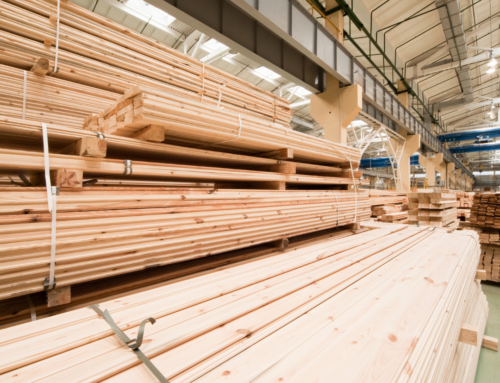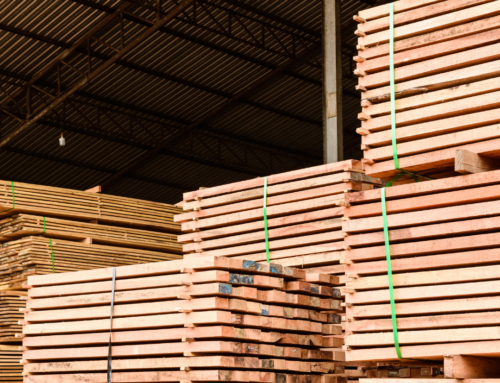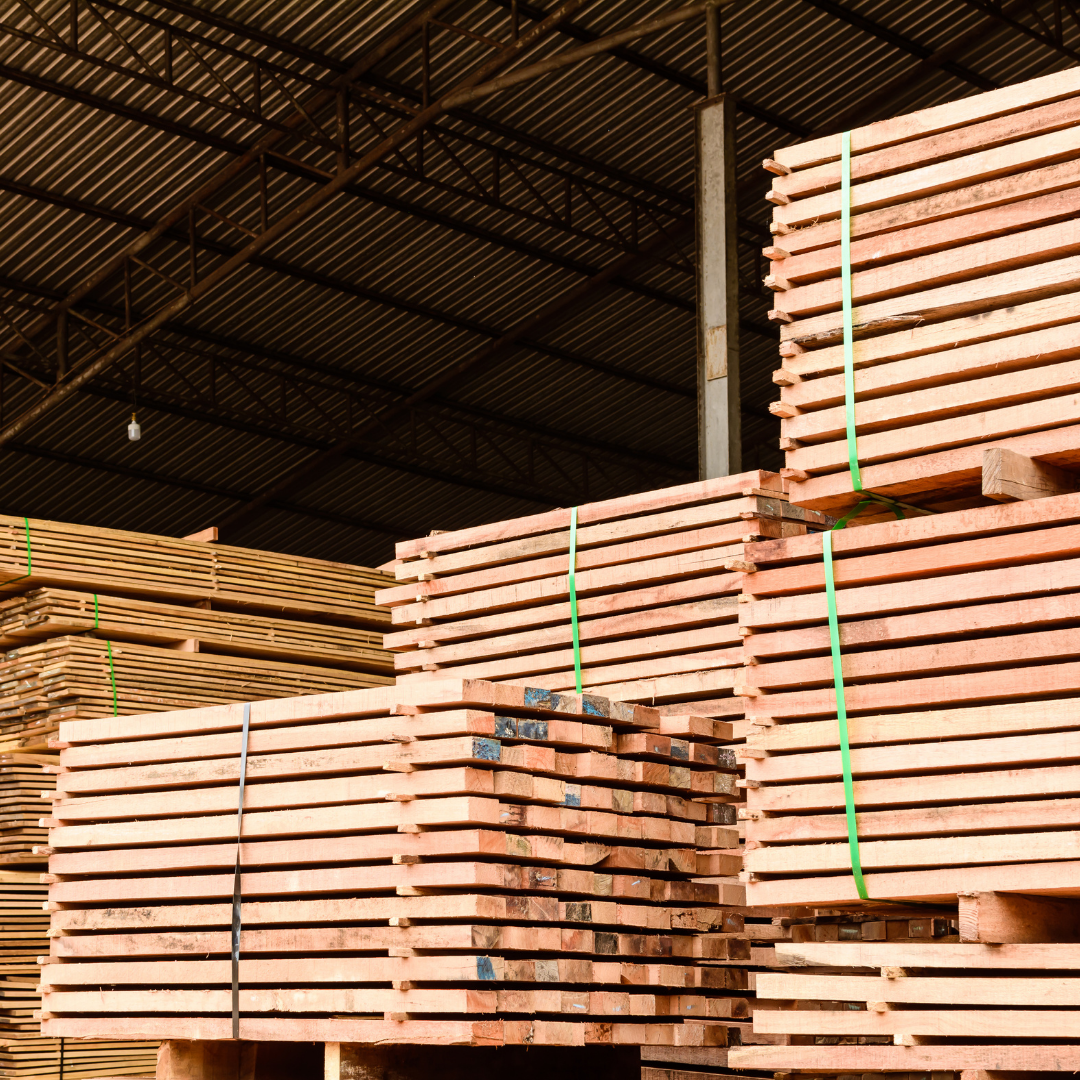
A shipment arrives with several bundles of cut lumber. Two contain boards of similar length. Another holds components for a different production run. Purchasing knows what was ordered, but the employee unloading the truck needs to know which material belongs where.
The parts may meet the order specifications, yet receiving and production teams still need a clear way to recognize them. A familiar description in an email does not help much if the person checking the shipment cannot connect it to the material in front of them.
At Somers Lumber & Manufacturing, we include end tagging among our lumber services. From our operation in Harmony, North Carolina, we support customers with lumber products, custom components, processing, storage, reloading, and distribution.
This guide focuses on the identification conversation: what information should buyers discuss with their supplier so people receiving, storing, and using the material can recognize it? It also explains how to keep that information consistent as an order moves between departments.
What Is Lumber End Tagging?
For order-organization purposes, lumber end tagging means using identification tags associated with the ends of lumber or lumber bundles to help distinguish material. The information and application method depend on the supplier’s process and the customer’s agreed requirements.
An identification tag might help connect material with a part reference, order number, or component description. Buyers should discuss which information can be included and whether identification applies to individual pieces, bundles, or another agreed grouping.
At Somers Lumber, we recommend raising those questions during the order discussion rather than assuming a particular format or placement is included.
The purpose is straightforward: give people a usable reference for connecting physical material to the records describing it.
A tag does not replace the component specification. It does not confirm every measurement, establish load capacity, or eliminate receiving inspection. Its value depends on accurate information and a consistent process for using that information.
Start With the Person Who Will Receive the Material
Purchasing teams often organize orders around supplier quotes and purchase-order numbers. Production teams may work from part numbers and drawings. Warehouse employees may recognize material by size, storage location, or project.
Each department can describe the same component differently.
Before discussing end tags, ask the receiving team what information it needs to identify an incoming bundle without making several phone calls.
Identify the First Decision at Receiving
The employee checking a shipment may need to answer:
- Which order does this material belong to?
- What component is inside the bundle?
- How many pieces should be present?
- Does the material belong in stock or in a project staging area?
- Which record should be used for inspection?
Those questions provide a useful starting point for identification requirements.
Not every answer needs to appear on a tag. Some information may belong on the packing documents or in your internal records. The important step is deciding how the receiving employee will connect those sources.
Use References Your Team Recognizes
An internal nickname may work for a small production crew but confuse someone receiving material on another shift.
“Long boards” is not a dependable identifier when several orders contain long boards.
Use a stable reference where possible. If your operation assigns component numbers, use those references consistently. If it does not, agree on a clear description that distinguishes the material from other items in the order.
Information to Discuss Before Requesting End Tagging
There is no universal list of fields that belongs on every lumber tag. A useful identification plan reflects the order, the receiving process, and the supplier’s available methods.
The following items are discussion points, not a statement that Somers offers every field or format.
Component or Part Identifier
A part identifier can connect the material with a drawing, purchasing record, or assembly requirement.
If your order includes several components, each should have a distinct reference. Avoid using the same identifier for parts that differ in dimensions or required features unless your system clearly distinguishes them another way.
The reference should remain consistent throughout the order. A tag labeled with one name and a purchase order using another creates a problem that labeling alone cannot solve.
Finished Dimensions
Dimensions can provide a useful secondary check, particularly when similar-looking components arrive together.
Discuss how measurements should be written, including the units and the order in which length, width, and thickness appear.
Do not rely on dimensions alone if two components share the same overall size but differ in another requirement. A grooved part and an otherwise similar plain part may need separate identifiers.
The full specification should remain in the approved order records.
Bundle Quantity
A quantity reference may help receiving employees compare the shipment with its documents.
Clarify what the number describes. Does it refer to pieces in one bundle, the total quantity for a line item, or another unit?
Those are different meanings. If the quantity is recorded without context, staff may interpret it incorrectly.
Receiving procedures should still establish how quantities are verified. An identification reference supports that work; it does not replace it.
Purchase-Order or Project Reference
A purchase-order number can help employees connect material with the correct transaction. A project reference may help distinguish material allocated to a particular job.
Consider whether both are necessary. Too many identifiers can make a tag harder to read without improving the receiving process.
Discuss which reference your team will use first and where additional information will remain available.
Drawing Revision
Some operations receive components made to different revisions of the same design.
Where that situation applies, discuss how the revision will be distinguished. A part number alone may not communicate a dimensional or feature change.
The revision on the order documents must match the approved requirement. Adding a revision reference to identification does not resolve conflicting instructions elsewhere.
Keep the Tag and the Order Speaking the Same Language
Identification works best when it repeats an agreed reference rather than introducing a new naming system.
Before requesting lumber end tagging, review how the component appears on the drawing, quote request, purchase order, and receiving records.
Choose One Controlling Description
Consider a fictional order in which production calls a component “support board,” purchasing lists it as “packaging timber,” and the drawing identifies it as “Part C-12.”
All three descriptions may refer to the same item, but the receiving team should not have to determine that relationship from memory.
Choose the controlling reference and make the connection explicit. Additional descriptions can provide context, but they should not compete with the identifier used to verify the order.
Resolve Conflicts Before Material Moves
If the drawing shows one revision and the purchase order shows another, resolve the difference before asking for identification.
The same applies to conflicting quantities, units, and component names.
A clearly printed tag can still carry incorrect information. The best time to prevent that problem is while reviewing the order, not after the bundle reaches your dock.
Multiple Component Types Need Clear Separation
Orders containing several parts deserve particular attention.
A pallet manufacturer may receive deck boards, stringers, and blocks. A packaging facility may order supports and specialty components for several assemblies. Parts can appear similar while serving different functions.
Distinguish Similar-Looking Parts
Ask which components could reasonably be confused during unloading or staging.
Two boards may differ only in thickness. Two supports may share dimensions but belong to different projects. A specialty component may need to remain separate from standard stock.
Those distinctions should influence the identification discussion.
Our guide to wooden pallet parts provides background on deck boards, stringers, and blocks. Here, the task is narrower: decide how your team will recognize the components it has already specified.
Discuss How Parts Will Be Grouped
Ask how the material will be bundled or otherwise prepared, and explain any separation requirements your operation has.
Do not assume that grouping by part number, project, or assembly sequence is included without confirmation.
If your receiving team needs material separated in a particular way, raise that requirement before the shipment is prepared. Physical grouping and identification should support each other.
Connect Identification With the Custom Component Order
Your component specifications explain what needs to be made. Identification requirements explain how your team intends to recognize the material afterward.
Those are related tasks, but they should remain distinct.
Define the Part First
Start with the approved dimensions, features, quantities, and material requirements. Our custom lumber components ordering guide addresses how to prepare that information.
Once the specification is clear, determine which references receiving and production employees need to see.
Trying to use a tag as a substitute for a complete drawing or order description usually leaves important details unresolved.
Raise Identification Requirements Early
Discuss end tagging while reviewing the order, not as an assumed finishing step.
Explain what you need identified, which reference matters most, and who will use it. Ask what information and application methods are available.
That conversation provides an opportunity to clarify requirements before material is processed, bundled, or scheduled for movement.
Plan for Storage and Material Transfers
A bundle may not move directly from the delivery vehicle to the production line. It may remain in storage, move between staging areas, or transfer through another facility.
Consider those handoffs when discussing identification.
Somers Lumber offers covered and outdoor storage, along with reloading and distribution using van or flatbed arrangements. Buyers should coordinate identification requirements with any agreed storage or transfer plan.
Consider Who Handles the Material Next
The person unloading the shipment may not be the person releasing it to production.
Ask whether the next employee will have access to the same documents and whether the component reference will remain understandable at that stage.
Avoid relying on information that only one individual knows. An identification system becomes less useful if it requires the original purchaser to explain every bundle.
Discuss Placement and Exposure
Tell us how you expect the material to be stored and handled, then discuss suitable identification arrangements.
Do not assume a particular tag material, attachment method, weather resistance, or scanning capability is available. Those details need confirmation.
If your operation requires visibility from a particular direction or has a specific identification procedure, explain the requirement rather than prescribing an unverified solution.
What Happens When a Bundle Is Opened?
A bundle-level identifier can help while the material remains together. Once employees split the bundle, that reference may no longer accompany every portion.
Your internal process needs to address the change.
Preserve the Connection to the Original Material
Decide how staff will identify remaining stock and any quantities moved elsewhere.
Depending on your procedures, that may involve an internal container reference, storage record, or other approved method. The important point is preserving the relationship between the material and its order information.
Do not assume an original bundle tag identifies every loose piece after the bundle has been divided.
Separate Order Identification From Traceability
A part number can distinguish one component type from another. It does not necessarily identify a particular production batch or material history.
If your customer requires batch-level records or another form of traceability, discuss that requirement separately.
End tagging alone should not be presented as a complete traceability program. The supporting records and handling procedures determine what can actually be traced.
Identification Tags Are Not Compliance Marks
Commercial identification serves a different purpose from lumber grading information or official treatment markings.
Grade marks communicate grading-related information under the applicable grading system. Official ISPM 15 markings relate to treatment and compliance requirements for regulated wood packaging in international trade.
An order number or component label does not replace those marks.
If your application requires a particular grade, treatment, certification, or supporting document, identify it separately during purchasing. Do not assume that including a description on a tag establishes compliance.
For export packaging, confirm the destination’s requirements and obtain the appropriate treatment and marking arrangements. Identification planning and compliance review should support each other without being treated as the same task.
Check the Material, Not Just the Label
A readable identifier helps receiving employees find the right record. Inspection still needs to address the material itself.
Compare the shipment with the approved order according to your procedures. Check relevant quantities, dimensions, component features, and visible condition.
If a tag and the material appear inconsistent, pause before moving the affected stock into production.
Report Differences With Specific References
When contacting the supplier, identify the order, component reference, affected quantity, and observed difference.
Photographs can help explain the situation, particularly when they show both the identification and the material. Measurements may also be needed.
Keep uncertain material separate according to your internal procedures until the next step is agreed. Do not simply replace the identifier and assume the underlying issue has been resolved.
A Practical End-Tagging Discussion Checklist
Before discussing lumber identification with us, gather the following:
- The component references used on your current order.
- The information receiving employees need first.
- Any similar-looking parts that require distinction.
- Quantity descriptions and units.
- Relevant purchase-order or project references.
- Revision information, where necessary.
- Storage, handling, and transfer conditions.
- Any separate documentation or traceability requirements.
From our operation in Harmony, North Carolina, we support customers with lumber products and services that include end tagging. A focused conversation helps establish what identification is needed and which arrangements are available.
The goal is not to fit the entire order onto a tag. It is to give receiving and production teams a reliable starting point for recognizing the material and finding the correct information.
Lumber End Tagging FAQs: Keep Your Orders Straight
What is lumber end tagging?
Lumber end tagging uses identification tags associated with the ends of lumber or bundles to help distinguish material. At Somers Lumber, we list end tagging among our services. The information, placement, and application requirements should be discussed for the order.
What information should I discuss before requesting lumber end tagging?
Discuss component identifiers, dimensions, quantity references, purchase-order numbers, project references, and revision details where relevant. We recommend identifying what your receiving team needs first, then confirming which information can be included.
Can end tagging help distinguish several components in one order?
It can support identification when each component has a clear reference that matches the order documents. Discuss any separation or grouping requirements with us before assuming they are included. Receiving staff should still verify the material.
Does an identification tag replace a grade stamp or treatment mark?
No. We treat commercial identification requirements separately from grading, treatment, and certification requirements. A component description or order reference does not replace an applicable grade mark or official ISPM 15 marking.
What should receiving staff check when tagged lumber arrives?
Receiving staff should compare the identification with the approved order and check relevant quantities, dimensions, features, and visible condition. If something does not match, contact us with the order reference and details before using the affected material.
When should I discuss tagging requirements with Somers Lumber?
Discuss identification requirements while reviewing the component order, before material is prepared for shipment. We need to understand what you want identified and how your team will use that information so the available arrangements can be clarified.